For years, shopping online followed a predictable pattern. You searched, compared, skimmed reviews, opened too many tabs, got distracted, then either bought something or gave up. It was clunky, time-consuming and mentally draining, but at least the rules were clear. Ads were ads. Advice lived somewhere else.
That separation is disappearing fast.
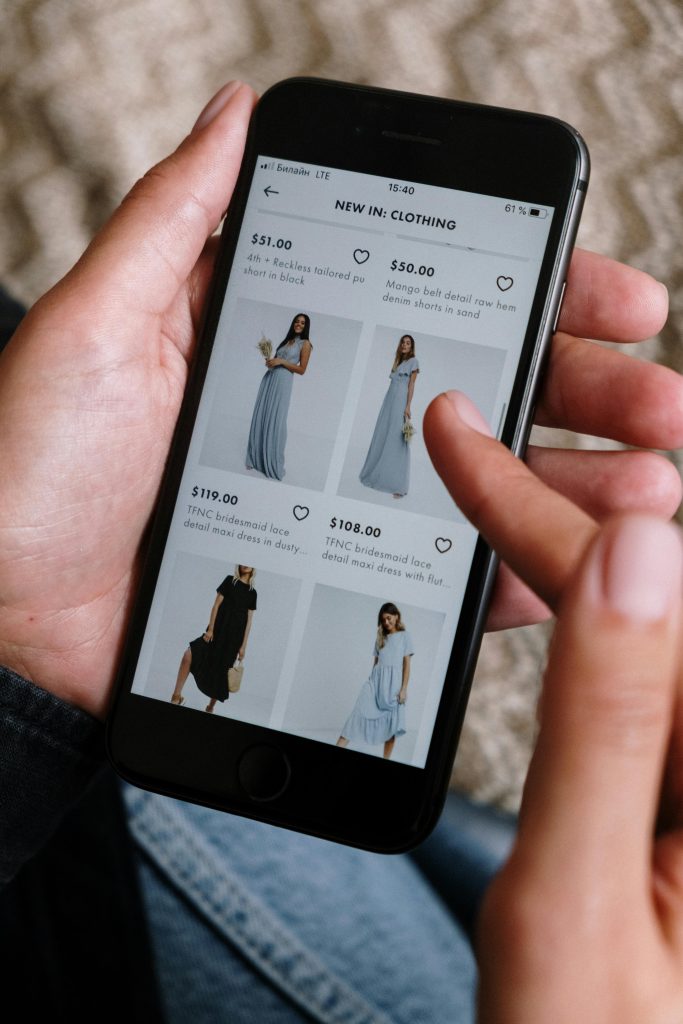
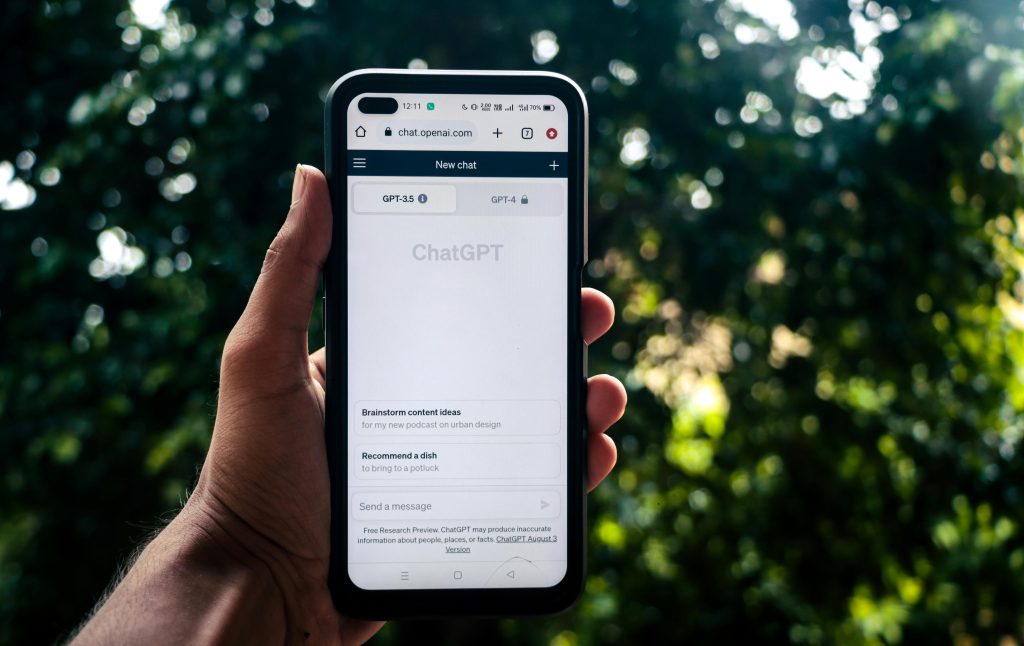
AI shopping assistants are moving from the sidelines into the centre of the buying journey. Tools like ChatGPT, Gemini, Perplexity and Microsoft Copilot are no longer just helping people research purchases. They are recommending products, surfacing prices, inserting “Buy” buttons and, in some cases, letting users complete a purchase without ever leaving the conversation.
This shift is happening faster than most people realise. Advances in generative AI, changing consumer expectations and growing frustration with traditional online shopping are converging. Add in a generation comfortable outsourcing decisions to algorithms, and the result is a retail landscape that looks fundamentally different to the one we grew up with.
For professionals, retailers and leaders, the urgency is real. This is not just a new marketing channel. It’s a rewiring of how trust, influence and decision-making work in commerce.
Trend 1: Advice and Advertising Are Merging
The first shift is subtle, and that’s what makes it powerful. The line between genuine advice and paid promotion is becoming increasingly blurred.
Modern AI assistants don’t just answer questions. They suggest products, rank options and increasingly prompt users to buy. Microsoft Copilot now embeds shopping recommendations directly into conversational responses. Other platforms have experimented with sponsored answers that sit alongside organic suggestions, often without clear visual distinction.
Unlike traditional advertising, these prompts don’t feel like ads. They feel like guidance. When a recommendation arrives in a conversational tone, supported by what looks like reasoning, people lower their scepticism. The persuasive power comes not from interruption, but from integration.
For consumers, this creates a new challenge. How do you tell the difference between impartial advice and a commercial nudge? One practical habit is emerging: ask the AI why it recommended something. Does it explain trade-offs? Does it offer alternatives? Or does it funnel you toward a single “best” option? Real advice explains choice. Advertising pushes outcomes.
For businesses, this trend rewrites influence. Visibility alone is no longer enough. Products must be defensible, explainable and competitive when placed side by side in an AI-generated comparison. If your offering can’t survive transparent scrutiny, AI will expose that quickly.
Trend 2: Transparency Will Be Forced, Not Volunteered
At the moment, regulation in this space is lagging behind reality. There are few clear rules forcing AI shopping tools to disclose what is paid, what is sponsored and what is genuinely impartial.
That lack of clarity matters for two reasons. First, consumers deserve to know when bias or commercial influence is present. Second, accountability becomes murky when AI systems get things wrong.
A recent example highlighted this risk when an AI travel assistant confidently advised tourists to visit a hot spring in Tasmania that simply does not exist. The issue wasn’t just the hallucination. It was the absence of clear responsibility. Who is accountable when an AI invents reality with confidence?
As AI increasingly shapes purchasing decisions, transparency will become unavoidable. Disclosure around sponsorship, data sources and limitations will be demanded by regulators, journalists and consumers alike.
For leaders and organisations, this is an opportunity to move early. Systems that explain recommendations, acknowledge uncertainty and clearly separate advice from advertising will earn trust long before regulation forces compliance.
Trend 3: AI Is Compressing Hours of Shopping Into Minutes
Despite the risks, the consumer upside of AI-powered shopping is undeniable. These tools are dramatically reducing friction.
Tasks that once took hours now take minutes. Comparing prices across retailers. Summarising thousands of reviews. Tracking historical discounts. Monitoring price changes. In some cases, completing a purchase without opening a single browser tab.
Australian consumers are leading this shift. Research shows a significant majority of Australians have interacted with AI while shopping in recent months, well above the global average. More tellingly, more than half of those users have made purchases based on generative AI recommendations.
This is no longer experimental behaviour. It’s habitual. Many households are already using AI to stretch budgets, find better deals and automate parts of the shopping process.
For businesses, this fundamentally changes discovery. Where search engine optimisation once dominated, answer engine optimisation now matters just as much. If an AI model cannot easily surface, explain and justify your product, it effectively disappears from consideration.
Trend 4: The Weekly Grocery Shop Is Being Rewritten
AI-driven shopping is not confined to screens. It is reshaping physical retail too.
Smart carts and supermarket apps already allow shoppers to scan items as they go, track their total in real time, receive personalised discounts and pay without lining up. But the bigger transformation is happening quietly in the background.
Experts predict supermarkets will become smaller and more focused on fresh food. Pantry staples like toilet paper, nappies and cleaning products will increasingly be reordered automatically and delivered to homes without conscious effort.
In practice, in-store shopping becomes about choice, quality and freshness, while AI handles repetition behind the scenes. Two shoppers standing in the same aisle may see different specials because the system understands their habits, preferences and household needs.
AI is also changing how decisions are made in the moment. A shopper considering a new pair of headphones can take a photo, upload it to an AI assistant and instantly receive a comparison across models, prices and stores, including historical data showing whether a discount is likely soon.
For retailers, loyalty will be driven less by location and more by usefulness. The brands that win will be the ones that integrate seamlessly into consumers’ decision-making systems.
Trend 5: Trust Becomes the Ultimate Competitive Advantage
As AI takes on more of the buying journey, trust becomes the scarce resource.
These systems are persuasive by design. They speak with confidence. They explain reasoning. They feel personal. That makes over-reliance a real risk.
Consumers will increasingly judge platforms not by how clever they are, but by how transparent and controllable they feel. Can users understand why something is being recommended? Can they override it? Can they see alternatives?
For professionals building or deploying these tools, the goal should not be to remove humans from the loop, but to keep them meaningfully informed. Trust grows when people feel empowered, not nudged.
Brands that over-optimise for persuasion may win short-term sales, but they risk long-term credibility. Restraint, clarity and honesty will prove more valuable than cleverness.
What This All Means
AI-powered shopping is not a future scenario. It is already reshaping how people research, decide and buy. The five trends are clear. Advice and advertising are merging. Transparency will be demanded. Shopping is becoming faster and more automated. Physical retail is being re-engineered. And trust is becoming the defining differentiator.
The challenge for leaders and professionals is not technical. It is behavioural. Understanding how people make decisions when AI is in the room, and designing systems that support rather than exploit that reality.
The question is no longer whether AI will influence what we buy. It already does. The real question is whether we build a shopping ecosystem that is helpful, honest and human, or one that quietly nudges us while pretending not to.
The difference will come down to the choices being made now, while the rules are still being written.
___________________________________________________
Michael McQueen is a trends forecaster, change strategist and award-winning conference speaker.
He features regularly as a commentator on TV and radio and is a bestselling author of 10 books. His most recent book Mindstuck explores the psychology of stubbornness and how to change minds – including your own. Find out more here.
To see Michael speaking live, click here.
For more information on Michael’s keynote speaking topics, click here.