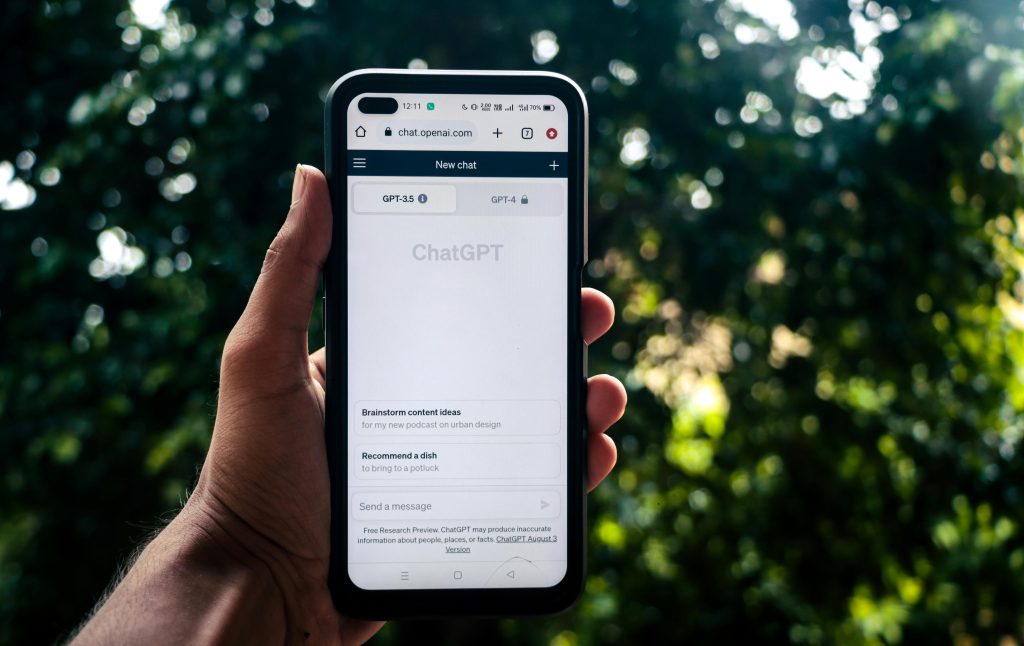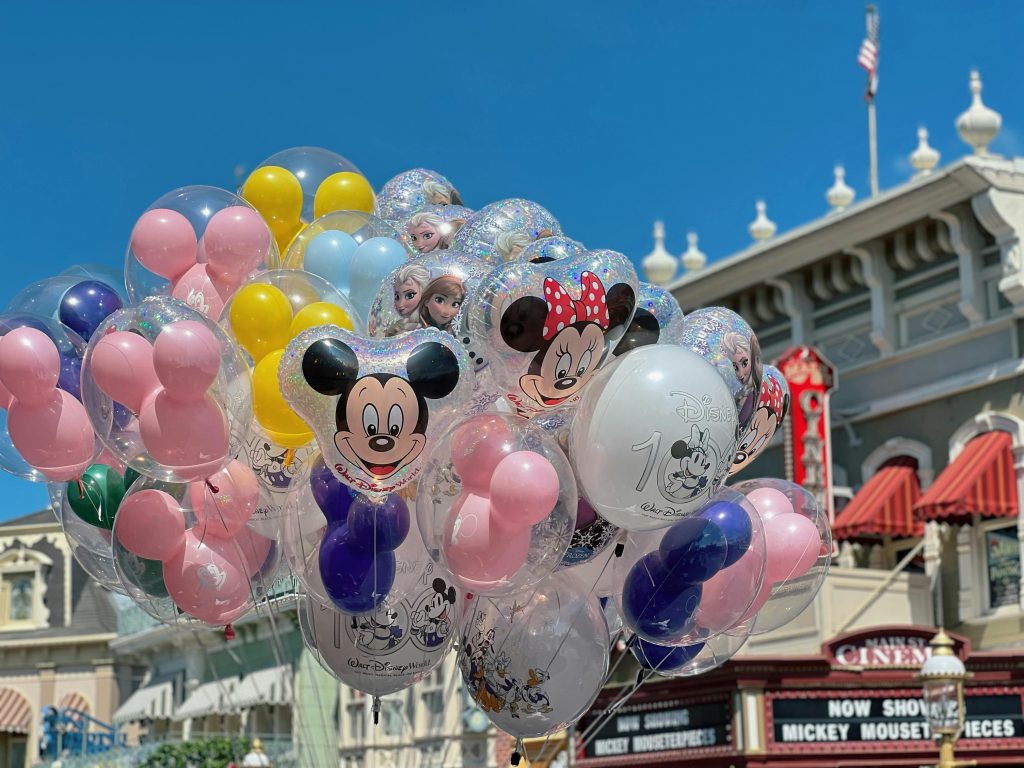
When news broke in recent weeks that Disney had signed a landmark agreement with OpenAI, the reaction across the creative industries was mixed. At a time when much of Hollywood is resisting artificial intelligence, launching legal challenges, or warning of creative collapse, Disney chose a very different path.
Rather than treating AI as an existential threat, Disney treated it as a question.
How could this technology help us tell better stories? How might it expand creativity rather than diminish it? And how do we engage with it early, thoughtfully, and on our own terms?
The agreement allows OpenAI to work with Disney’s vast library of characters and storytelling assets across emerging AI animation and generative video tools. It is an extraordinary move, not just because of the scale of the deal, but because of what it signals.
Disney is once again choosing partnership over protectionism. Exploration over resistance. Curiosity over certainty.
To understand why this decision matters so much, you need to see it not as a one off, but as the latest chapter in a pattern that stretches back more than a century.
This is not a company dabbling in disruption. Disney is a company that has always believed the future belongs to those willing to rethink first.
Walt Disney built an empire not by predicting the future, but by being relentlessly curious about what might be possible.
Long before Disney became synonymous with global entertainment, Walt Disney was an outsider. He was not backed by powerful studios, nor was he working within accepted industry rules. His success came from repeatedly asking questions others dismissed as impractical or reckless.
What if animation could carry emotional weight? What if stories could live across multiple platforms? What if entertainment could be experienced as a place, not just a performance?
These were not safe questions.
In the 1930s, when Disney decided to create Snow White and the Seven Dwarfs, industry insiders openly mocked the idea. Feature length animation was considered commercial suicide. Cartoons were short, disposable novelties. No one believed audiences would sit through ninety minutes of illustrated storytelling.
Disney nearly bankrupted his company bringing Snow White to life. He invested in new animation techniques, new camera technology, and unprecedented levels of artistic detail. What he was really investing in, however, was a belief that curiosity about emotional realism would be rewarded.
It was. Snow White did not just succeed. It created an entirely new category of cinema.
That same pattern repeated in the 1950s, when television emerged as a disruptive force. Hollywood studios panicked. Cinema attendance declined. Executives treated television as a threat to be resisted.
Disney again went the other way.
Rather than rejecting television, he partnered with ABC to create a weekly television series. On the surface, it was entertainment. In reality, it was something far more strategic. The show helped finance, promote, and emotionally prepare audiences for Disneyland, a physical place that did not yet exist.
Television was not competition. It was infrastructure.
That deal helped fund Disneyland’s construction and made Walt Disney himself a household name. At a time when business leaders remained largely invisible, Disney became the face of his vision. Not as a corporate executive, but as a guide, a storyteller, and a trusted presence in people’s homes.
Again, curiosity reshaped the rules.
Disneyland itself was another audacious experiment. Walt Disney rejected the idea of building an amusement park. He disliked the chaos, the noise, and the transactional nature of existing parks. Instead, he imagined something different.
A theme park. A place where architecture, psychology, storytelling, and movement worked together to create a coherent emotional experience.
Buildings were deliberately designed to feel welcoming rather than overwhelming. Pathways controlled anticipation and discovery. Attractions were not rides, but experiences. Guests could spend an entire day immersed in story without stepping onto a single attraction.
It was entertainment designed around humans, not hardware.
Since opening in 1955, more than one billion people have visited Disneyland. That number alone tells a powerful story about the enduring appeal of human centred design driven by curiosity.
Crucially, Disney’s culture did not fossilise after Walt’s death.
When the company acquired Pixar in 2006, it faced a choice. Absorb Pixar and impose corporate discipline, or protect the very culture that made Pixar special.
Disney chose protection.
Pixar’s creative model rewarded questioning, dissent, and rethinking. Hierarchy mattered less than ideas. Disagreement was not seen as disloyalty, but as a necessary ingredient for excellence. Some of Pixar’s most successful films emerged precisely because creators were encouraged to challenge assumptions rather than conform to them.
This was curiosity embedded at scale.
Under Bob Iger’s leadership, that philosophy continues. Listening to an interview with Iger recently, I was struck by his admission about how Disney evaluates new ideas. The first question is not about cost. It is not about risk mitigation.
The first question is simple: Can we make this great?
That mindset explains why Disney’s response to artificial intelligence looks so different to many of its peers.
Where others see loss of control, Disney sees creative leverage. Where others fear displacement, Disney sees expansion. Where others hesitate, Disney experiments.
The OpenAI partnership echoes the ABC television deal of the 1950s. In both cases, Disney encountered a new technology that unsettled an industry. In both cases, it chose engagement over retreat.
This does not mean blind optimism. Disney has learned from missteps, including the difficult early years of Disneyland Paris. But even those moments reinforced a deeper truth. Curiosity must be paired with accountability. Experimentation must be paired with learning.
That balance is what allows curiosity to endure.
Walt Disney once said that Disneyland would never be finished, as long as there was creativity left in the world. He was not talking about a park. He was talking about a posture.
A refusal to believe the story is ever complete. A willingness to revisit assumptions. An understanding that relevance is not preserved through protection, but through exploration.
The OpenAI partnership is not a departure from Disney’s identity. It is proof that the identity still holds.
In a world obsessed with prediction, Disney continues to bet on curiosity. And history suggests that is a very good bet indeed.
___________________________________________________
Michael McQueen is a trends forecaster, change strategist and award-winning conference speaker.
He features regularly as a commentator on TV and radio and is a bestselling author of 10 books. His most recent book Mindstuck explores the psychology of stubbornness and how to change minds – including your own. Find out more here.
To see Michael speaking live, click here.
For more information on Michael’s keynote speaking topics, click here.